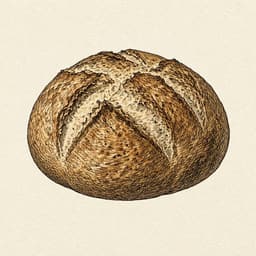
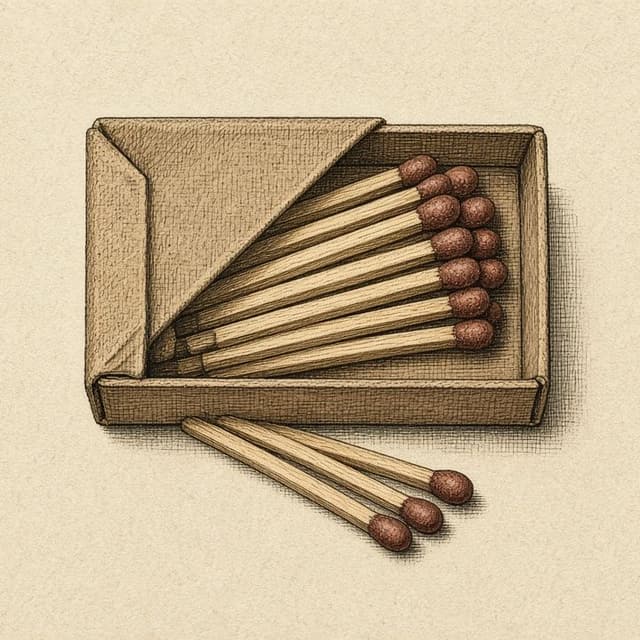
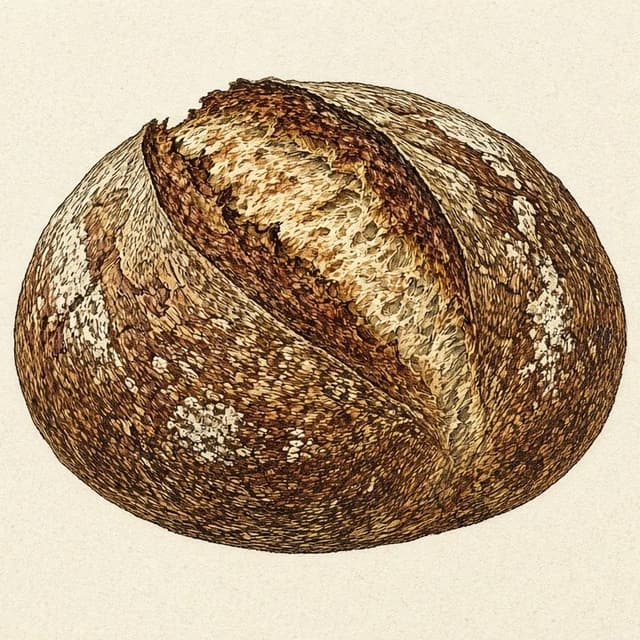
Illustration: matches, one of the small purchases carried home from Dauphin.Illustration: sugar from Dauphin.Illustration: the bread packed for the walk to Dauphin and back.Illustration: the dollar bill for the trip to Dauphin.
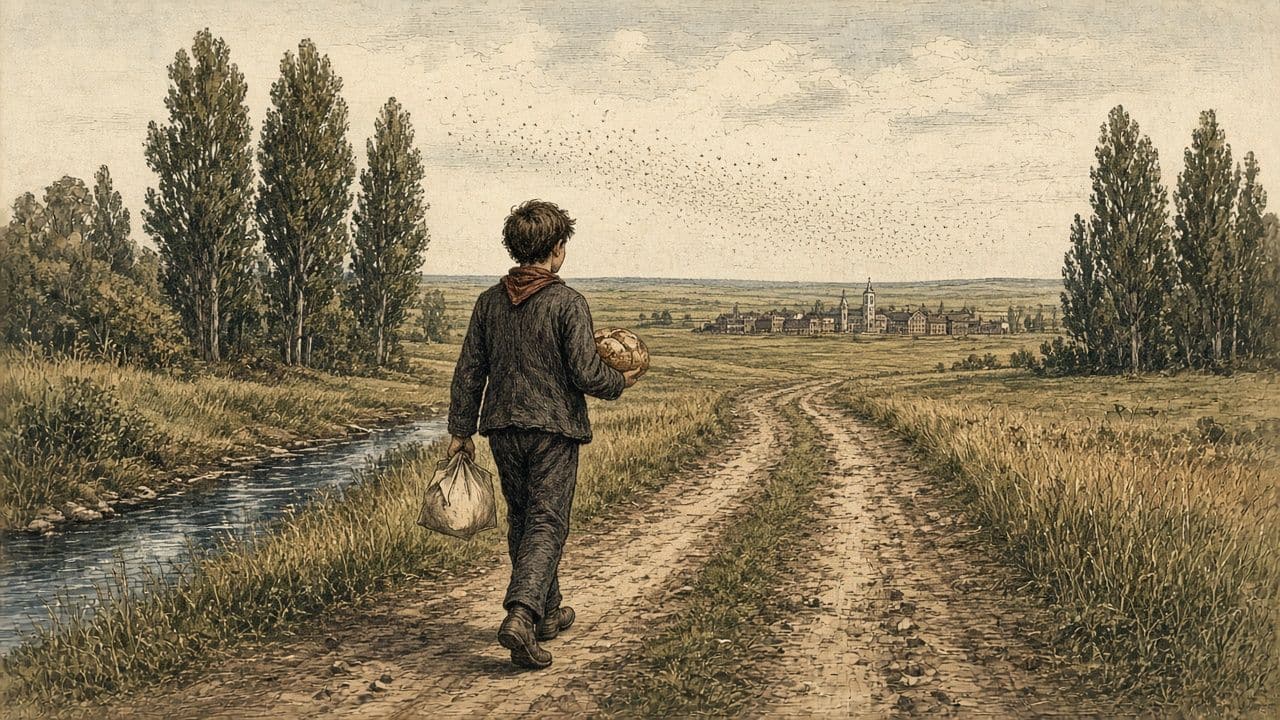
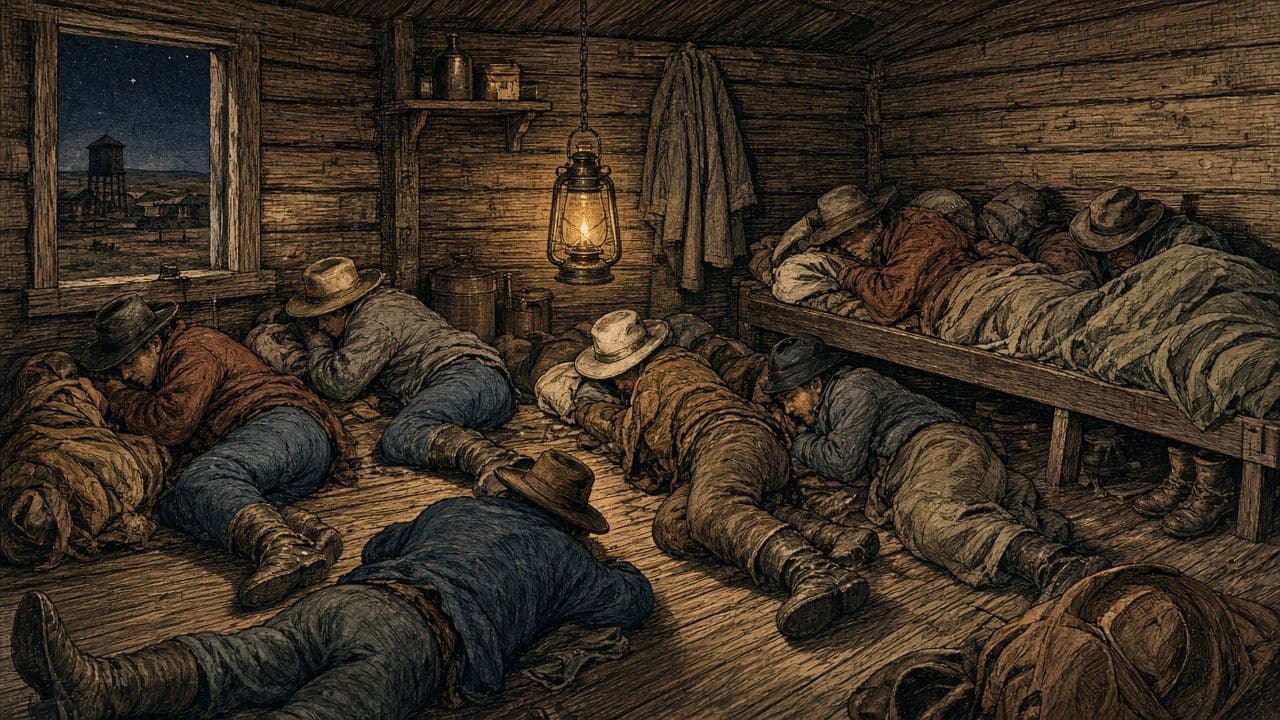
Dauphin was our nearest source of supply. We had to get someone who owned oxen or walk to Dauphin to get supplies. The distance was thirty-two miles. Fortunately, in 1899, one immigrant, Mr. Maksymetz, had enough money with which to buy a yoke of oxen. He went to Dauphin once a week to bring supplies and the settlers’ mail. On several occasions, when we were short of some small items, such as matches or sugar, I was asked to walk to Dauphin. Father would give me a dollar bill and mother gave me enough bread for the round trip, which took two days. Mr. Cohen, who was a merchant in Dauphin at the time, had built a shack for his customers where they could spend the night before going home the next day. The hut was small and once when I was there I counted fifteen men. However, we were fortunate to have a place to sleep and it did provide protection from the mosquitoes. Going home the next day I would not only carry the small purchases I made but some unwelcome little creatures under my shirt collar. Not only did they bother me but also made me move very fast in order to get home and take off my shirt to get rid of them as soon as possible. Everybody who stayed in the shack expected this to happen but at the same time it was much better than sleeping outdoors among the mosquitoes.
Illustration: the thirty-two-mile walk to Dauphin for matches or sugar. Not a likeness.Illustration: the shack where customers slept in Dauphin, counted once at fifteen men.
Illustrated online edition. The memoir text follows the 2011 copy compiled by Rene Nicholas Bilodeau.